Targeting and audience prioritisation
Identifying the areas and audiences where each campaign resource will be most useful, so that everyone hears about the issues that concern them — with strict respect for individuals.
Who it is for
Campaign leadership, field, communication and mobilisation managers.
When
After the electoral diagnosis, then adjusted continuously as field feedback comes in.
Key deliverables
Priority map, targeting plan by channel, documented criteria and ethical rules of use.
A scarce resource, well allocated
No campaign has the time or means to address every voter across the whole territory with the same intensity. The question is not whether to prioritise, but how to do so methodically rather than according to habit or personal networks.
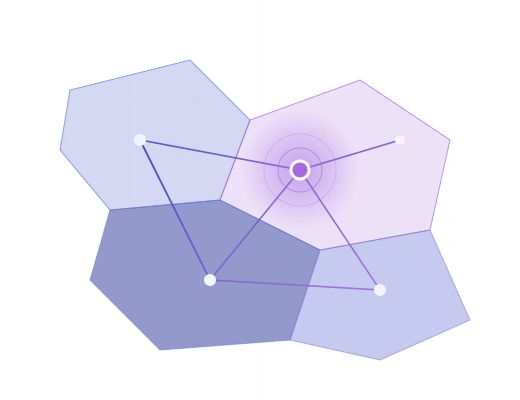
Targeting means combining three dimensions: where to concentrate effort (areas), with whom (audiences defined by their expectations and relationship to voting) and to what end (informing, persuading or mobilising). It relies on combining electoral analysis, behavioural studies and field feedback.
Practised rigorously, targeting makes a campaign more relevant to citizens: everyone receives information related to their real concerns. Practised without ethics, it slides into intrusive profiling. We fully own the difference.
What the engagement covers
Reasoned prioritisation, built on explicit and verifiable criteria.
Territorial prioritisation
Ranking areas by electoral potential, turnout and level of competition.
Defining audiences
Delineating priority audiences on the basis of aggregate expectations and behaviours.
Objectives by audience
Distinguishing information, persuasion and mobilisation, with suitable messages and channels.
Targeting plan by channel
Coordinating field, phone, digital and media according to target audiences.
Documented criteria
Full traceability of targeting criteria, which can be explained at any time.
Continuous adjustment
Revising priorities based on field feedback and tracking indicators.
From diagnosis to prioritisation
Every targeting decision rests on explicit criteria validated by the campaign leadership.
Analysis
Use of aggregate electoral, demographic and behavioural data.
Criteria
Defining and validating transparent prioritisation criteria.
Plan
Building the targeting plan by area, audience and channel.
Tracking
Measuring effects and readjusting priorities.
Explicit, verifiable methods
Every tool we use is documented: its sources, assumptions and limitations are known to our clients.
Territorial priority index
A weighted combination of electoral potential, level of competition and turnout.
Support/turnout matrix
Distinguishing areas to persuade from areas to mobilise, at aggregate level.
Small-scale tests
Assessing the effectiveness of an approach on a sample before rolling it out.
Ethical review of criteria
Systematic review excluding any criterion based on sensitive individual data.
Measuring honestly
Every indicator is labelled by status — target, calculated estimate or measured result — in line with our principles of rigour
| Indicator | What it shows | Status |
|---|---|---|
| Potential by area | The plausible electoral gain from increased investment in an area. | Calculated estimate |
| Effort delivered in priority areas | The share of campaign activity actually carried out in target areas. | Measured result |
| Target allocation of effort | The distribution of resources between areas that the plan sets. | Target |
| Test effects | The observed gap between test groups and comparison groups. | Measured result |
Targeting expectations, never identities
Political targeting is governed by ethical rules stricter than mere legal obligations.
No sensitive individual data
Ethnic origin, religion, health or presumed opinions are never used as individual targeting criteria.
Consistent message
Adapting wording never allows making contradictory commitments to different audiences.
Consent and provenance
Contacts used have been collected lawfully, with known provenance.
Explainability
Any targeting criterion must be publicly explainable without embarrassment.
Speak to each person about what concerns them, without ever telling each person what they want to hear.AXIOME working principle
In what contexts do we work?
Illustrative situations: they do not describe actual engagements.
Limited means
A campaign with a modest budget must choose where to concentrate its field teams.
High abstention
A party wants to identify the areas where mobilising its supporters would have the greatest effect.
A multichannel campaign
A leadership team must coordinate field, phone and digital to avoid duplication and overlooked areas.
Frequently asked questions
It is when it complies with legislation on personal data and electoral communication. We go further by excluding any criterion based on sensitive individual data.
Our approach favours territorial prioritisation and audiences defined at aggregate level. We refuse individual profiling based on sensitive characteristics.
Targeting organises the intensity of effort; it does not justify abandoning areas. We ensure a minimum presence and level of information everywhere.
Related expertise
Let's discuss your project
Every political context is unique. A first, strictly confidential conversation allows us to understand what is at stake and define the most relevant support.